Imagine your body as a house with a sophisticated security system. Sometimes, this system works perfectly, protecting you from unwanted intruders. But what happens when the alarm won’t turn off, even when there’s no real threat? That’s exactly what chronic inflammation does to your body – it keeps your internal defenses on high alert 24/7, slowly damaging the very organs it’s supposed to protect.
The good news? You have more control over inflammation than you might think, and it starts with what you put on your plate. Let’s explore how simple changes to your daily meals can become your most powerful medicine.
1.Understanding Inflammation: The Silent Enemy in Your Body
What Happens When Your Body Is Under Attack
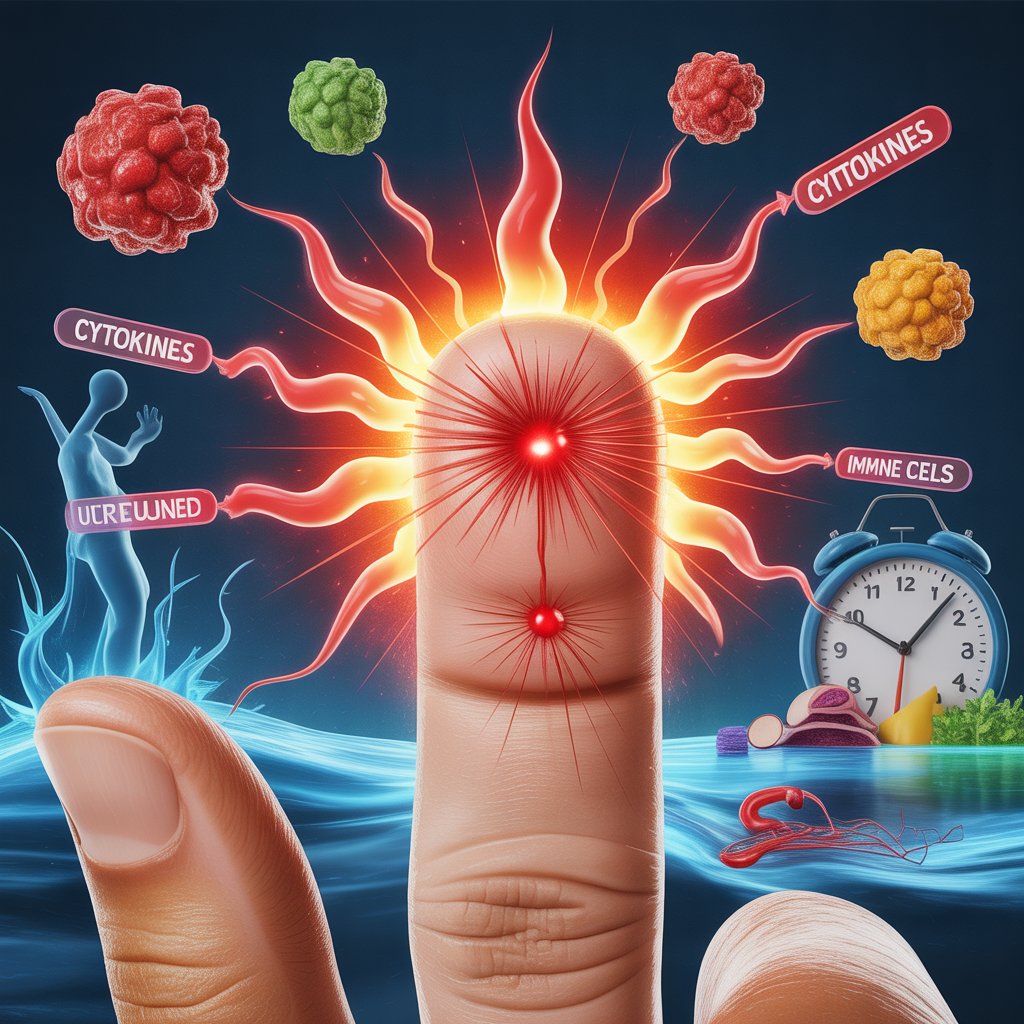
The beauty of acute inflammation is its precision and timing. It knows when to start, how intense to be, and most importantly, when to stop.
- Your body uses specific messengers called cytokines to coordinate this response. Think of them as text messages between different parts of your immune system, saying things like “send more white blood cells to the cut on finger” or “increase blood flow to infected area.”,
- inflammatory markers like C-reactive protein (CRP) spike in your bloodstream – a signal that can be measured through simple blood tests.
- The beauty of acute inflammation is its precision and timing. It knows when to start, how intense to be, and most importantly, when to stop.
When Good Defense Goes Bad: Chronic Inflammation Explained
Chronic inflammation is what happens when your emergency response team never gets the memo that the crisis is over. Several modern lifestyle factors keep this inflammatory response switched on.
- Poor sleep quality, chronic stress, lack of physical activity, and exposure to environmental toxins all send continuous “danger” signals to your immune system.
- Your body interprets sitting for 10 hours a day or eating highly processed foods as ongoing threats that require constant vigilance.
2.The Science Behind Anti-Inflammatory Foods
How Foods Fight Inflammation at the Cellular Level
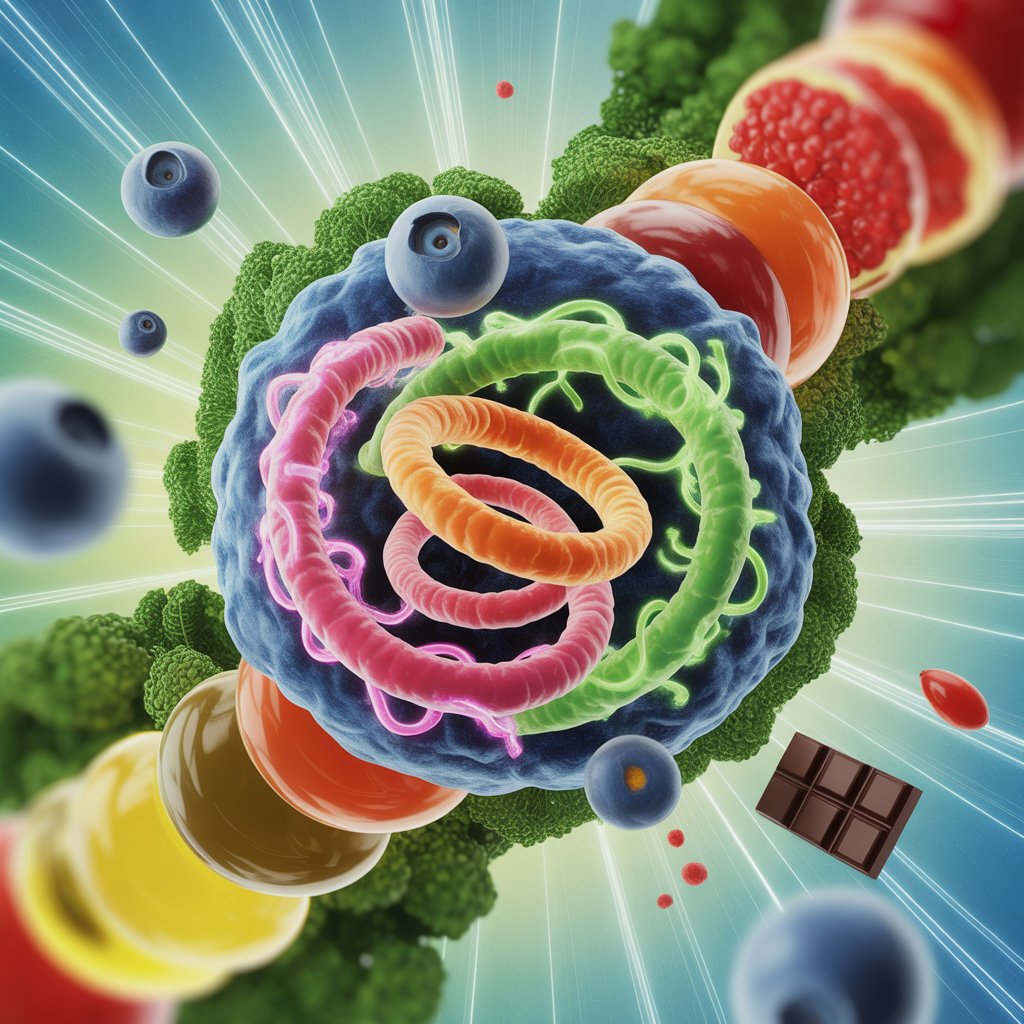
Every bite you take either adds fuel to the inflammatory fire or helps put it out. Anti-inflammatory foods work like tiny firefighters, entering your bloodstream and actively counteracting the inflammatory processes happening in your cells. Anti-Inflammatory Properties of Diet: Role in Healthy Aging – PMC
- Omega-3 fatty acids work differently. They actually compete with omega-6 fatty acids for the same enzymes in your body. When omega-3s win this competition.
- Phytonutrients – the compounds that give plants their colors, flavors, and protective properties – have multiple mechanisms of action.
Key Compounds That Make Foods Anti-Inflammatory
The anti-inflammatory power of foods comes from specific compounds that scientists have identified and studied extensively.
- Flavonoids, found in berries, tea, and dark chocolate, can reduce inflammatory markers by up to 20% in some studies. Polyphenols in olive oil and red wine have similar effects, though the alcohol in wine can be inflammatory, so moderation is key.
- The ratio of omega-6 to omega-3 fatty acids in your diet matters more than the absolute amounts. Most Americans consume 15-20 times more omega-6 than omega-3 fatty acids, when the ideal ratio is closer to 4:1.
- Fiber deserves special mention because it fights inflammation indirectly through your gut microbiome.
3.The Most Powerful Anti-Inflammatory Foods and Their Benefits
Fatty Fish and Marine Sources
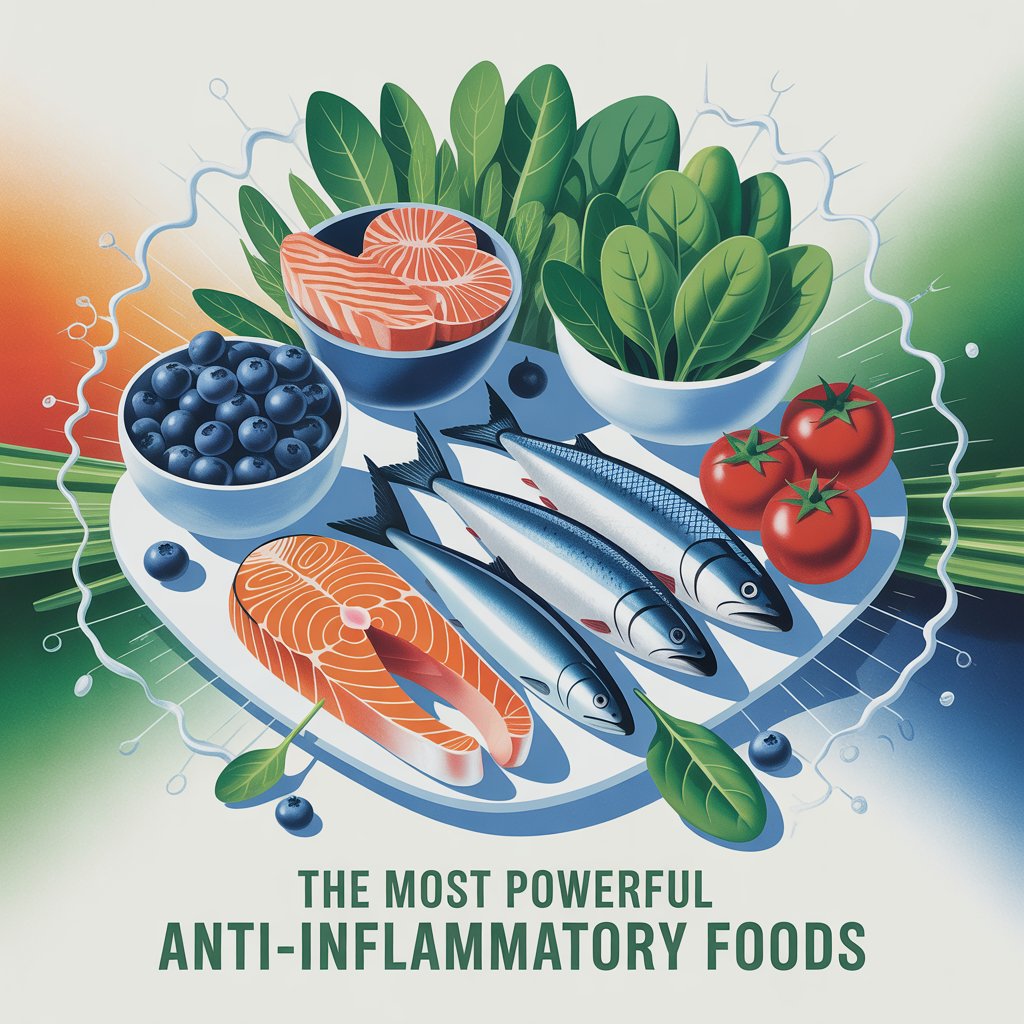
Fatty fish like salmon, mackerel, sardines, and anchovies are perhaps the most potent anti-inflammatory foods you can eat. These fish contain EPA and DHA, two omega-3 fatty acids that your body can’t make on its own but desperately needs to control inflammation.
- A 3.5-ounce serving of wild salmon provides about 2.3 grams of omega-3s – enough to significantly impact your inflammatory status if eaten regularly.
- Mercury concerns are valid but often overblown for most people. Smaller fish like sardines and anchovies are lowest in mercury, while larger fish like tuna should be limited.
Colorful Fruits and Vegetables
The phrase “eat the rainbow” isn’t just a catchy slogan – it’s solid science. Different colored fruits and vegetables contain different anti-inflammatory compounds, and eating a variety ensures you get the full spectrum of benefits.
- Berries are inflammation-fighting superstars. Blueberries, strawberries, and blackberries are packed with anthocyanins, which can reduce inflammatory markers and improve brain function.
- Leafy greens like spinach, kale, and arugula provide folate, vitamin K, and various antioxidants that support your body’s anti-inflammatory systems like broccoli, Brussels sprouts, and cauliflower
- Summer tomatoes have higher lycopene levels than winter greenhouse tomatoes. Fall apples contain more antioxidants than apples that have been in storage for months.
4.Creating Your Anti-Inflammatory Meal Plan
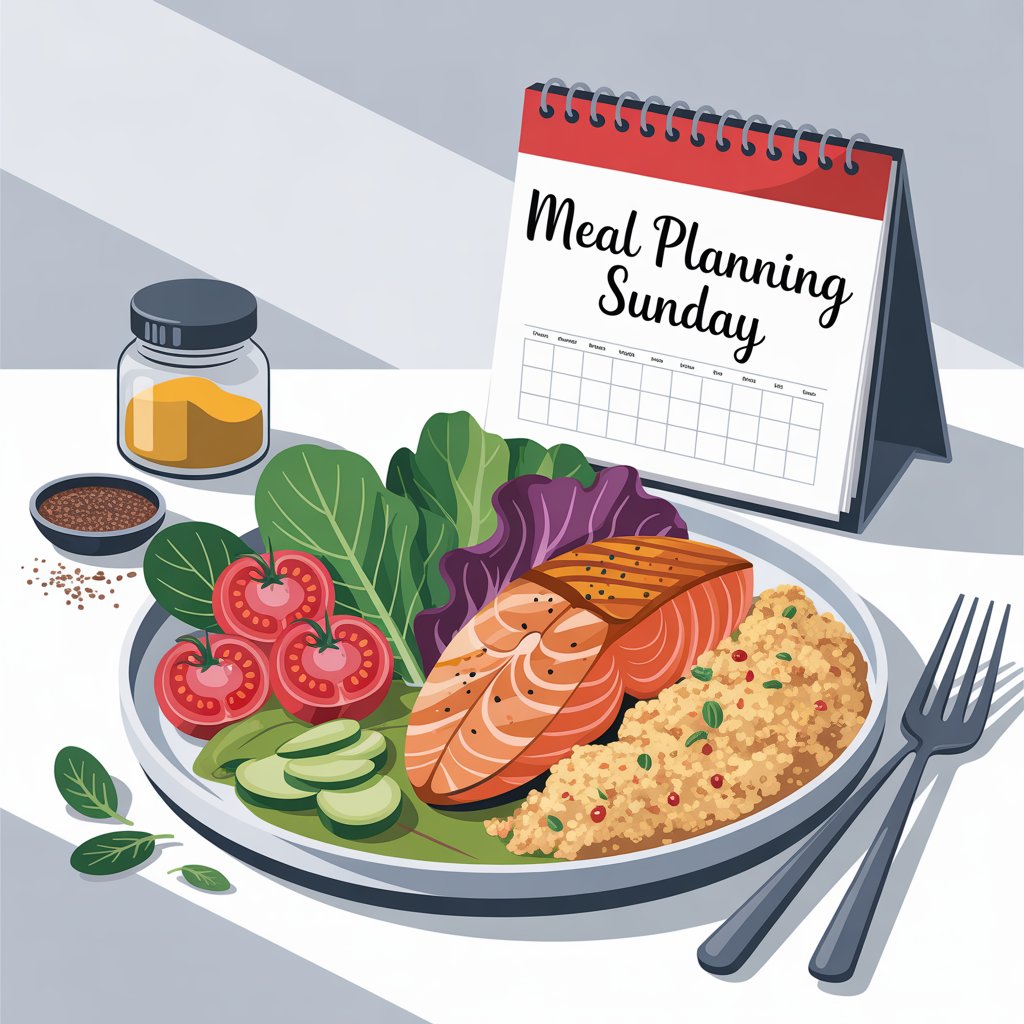
Building Balanced Meals with Anti-Inflammatory Foods
An effective anti-inflammatory meal follows a simple template: half your plate should be colorful vegetables, one quarter lean protein (preferably fish), and one quarter complex carbohydrates like quinoa or sweet potatoes. 30-Day Anti-Inflammatory Diet Meal Plan
- I’ve found that combining certain foods enhances their anti-inflammatory effects. Turmeric is better absorbed when eaten with black pepper and a healthy fat like olive oil.
- The lycopene in tomatoes becomes more available when the tomatoes are cooked and eaten with oil. Iron from leafy greens is better absorbed when paired with vitamin C from citrus or bell peppers.
- Meal timing can also influence inflammation. Eating large meals late at night can trigger inflammatory responses, while intermittent periods without eating allow your digestive system to rest and repair.
Weekly Menu Planning and Grocery Shopping
Planning your meals in advance is the difference between successfully eating an anti-inflammatory diet and falling back on convenient processed foods when you’re tired and hungry. I spend 20 minutes each Sunday planning my meals for the week and making a grocery list organized by store sections.
- Budget-friendly anti-inflammatory eating is absolutely possible. Canned salmon and sardines cost a fraction of fresh fish but provide the same omega-3 benefits.
- Frozen berries are often more affordable than fresh and are frozen at peak ripeness. Buying seasonal produce and cooking larger batches saves both time and money.
- Shopping the perimeter of the grocery store naturally guides you toward anti-inflammatory foods – fresh produce, fish, and dairy are typically located around the edges, while processed foods dominate the center aisles
5.Foods That Increase Inflammation and Should Be Limited
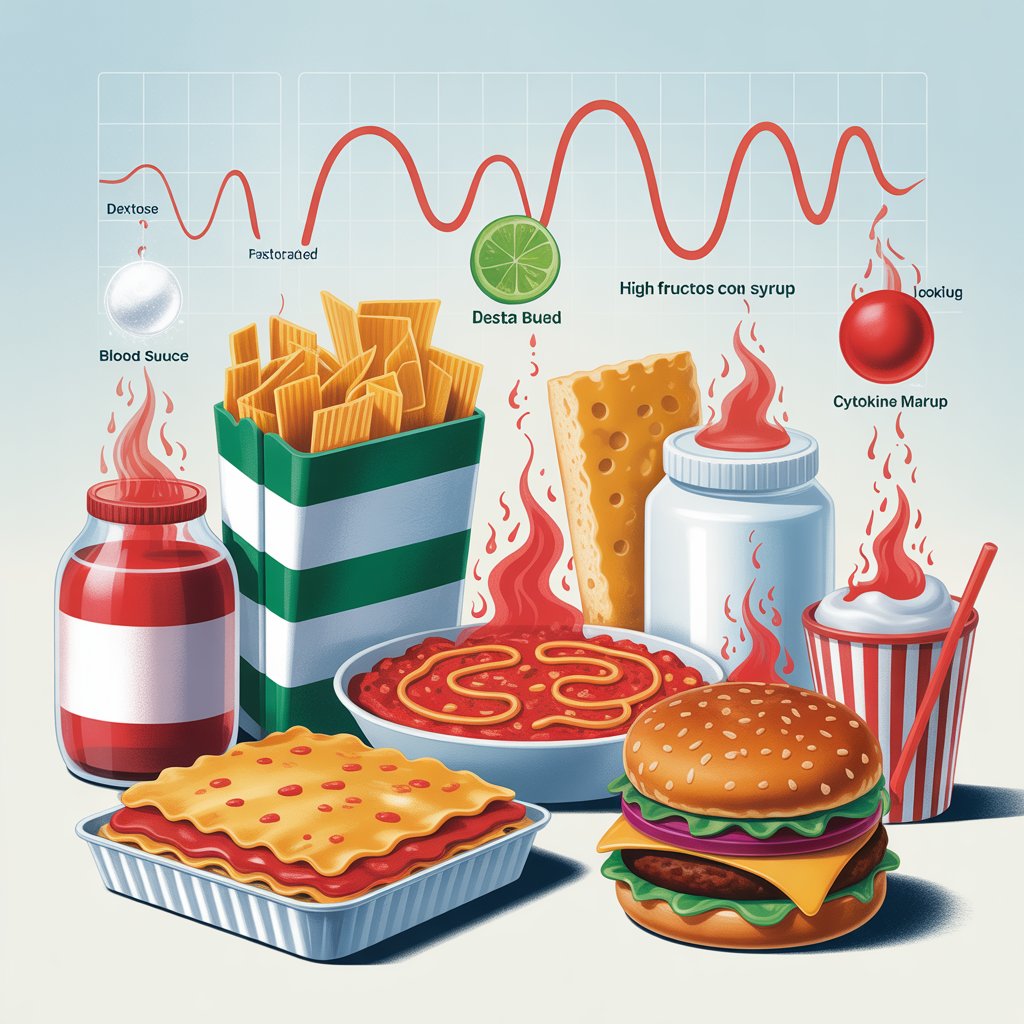
Processed Foods and Their Inflammatory Effects
Think packaged snack foods, frozen dinners, and fast food items that can sit on shelves for months without spoiling. The problem with ultra-processed foods goes beyond just their ingredients.
- The processing itself creates inflammatory compounds called advanced glycation end products (AGEs). These compounds accumulate in your tissues over time, triggering ongoing inflammatory responses.
- Hidden sugars lurk in unexpected places – pasta sauce, salad dressing, bread, and even seemingly healthy foods like flavored yogurt. Food manufacturers use dozens of different names for sugar, making it difficult to identify on ingredient lists.
- High fructose corn syrup, dextrose, maltose, and fruit juice concentrates are all forms of added sugar that can trigger inflammatory responses.
Sugar and Refined Carbohydrates
Sugar creates inflammation through multiple pathways.
- When you eat sugar, your blood glucose spikes rapidly, triggering the release of inflammatory compounds called cytokines.
- Your body interprets these rapid blood sugar swings as a form of stress, activating the same inflammatory pathways that respond to infections or injuries.