this picture shows the function of anti-inflammatory foods and how their importance in body functioning

Fight Disease from Your Dinner Plate: 5 ways How Anti-Inflammatory Foods Can Transform Your Health

Imagine your body as a house with a sophisticated security system. Sometimes, this system works perfectly, protecting you from unwanted intruders. But what happens when the alarm won’t turn off, even when there’s no real threat? That’s exactly what chronic inflammation does to your body – it keeps your internal defenses on high alert 24/7, slowly damaging the very organs it’s supposed to protect.

The good news? You have more control over inflammation than you might think, and it starts with what you put on your plate. Let’s explore how simple changes to your daily meals can become your most powerful medicine.

1.Understanding Inflammation: The Silent Enemy in Your Body
this picture shows the function of anti-inflammatory foods and how their importance in body functioning
importance of anti-inflammatory foods in human’s body.

What Happens When Your Body Is Under Attack

The beauty of acute inflammation is its precision and timing. It knows when to start, how intense to be, and most importantly, when to stop.

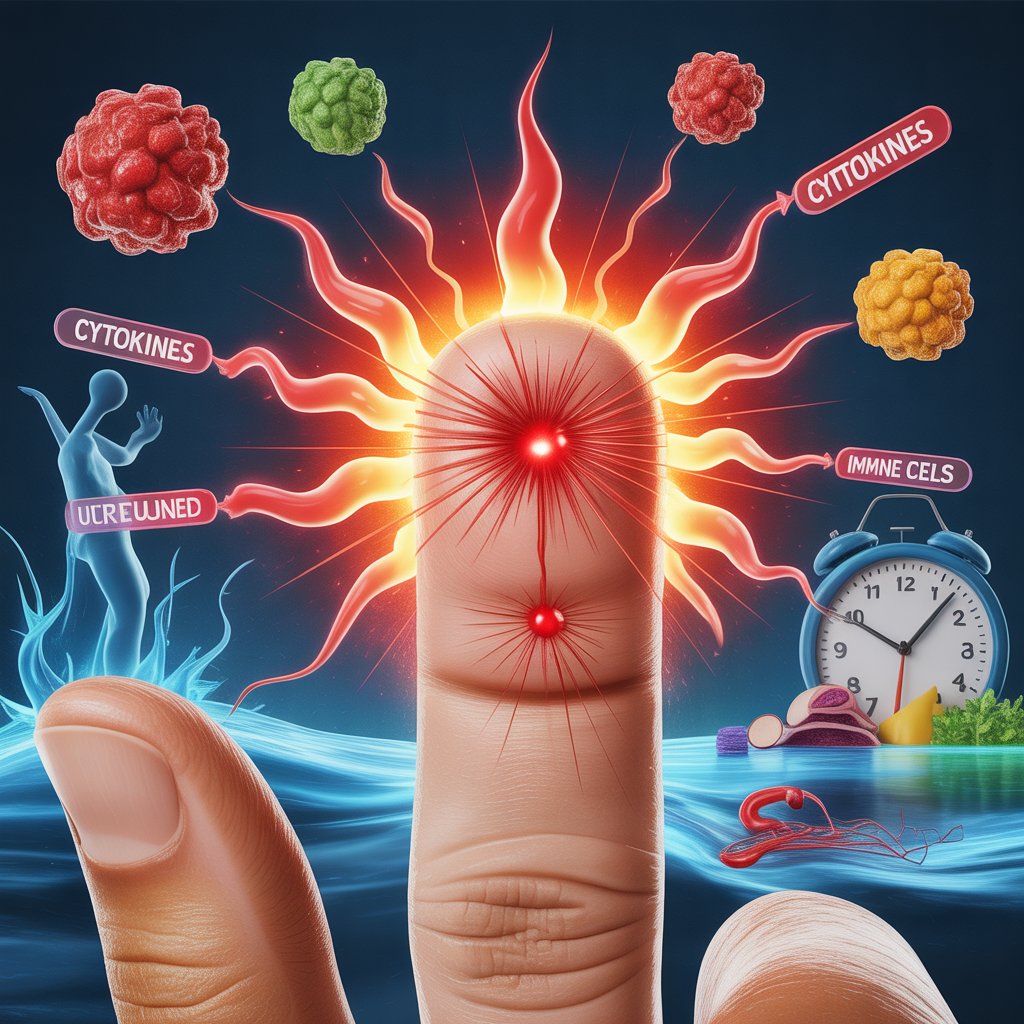
  • Your body uses specific messengers called cytokines to coordinate this response. Think of them as text messages between different parts of your immune system, saying things like “send more white blood cells to the cut on finger” or “increase blood flow to infected area.”, 
  • inflammatory markers like C-reactive protein (CRP) spike in your bloodstream – a signal that can be measured through simple blood tests.
  • The beauty of acute inflammation is its precision and timing. It knows when to start, how intense to be, and most importantly, when to stop.

When Good Defense Goes Bad: Chronic Inflammation Explained

Chronic inflammation is what happens when your emergency response team never gets the memo that the crisis is over. Several modern lifestyle factors keep this inflammatory response switched on. 

  • Poor sleep quality, chronic stress, lack of physical activity, and exposure to environmental toxins all send continuous “danger” signals to your immune system.
  •  Your body interprets sitting for 10 hours a day or eating highly processed foods as ongoing threats that require constant vigilance.

2.The Science Behind Anti-Inflammatory Foods
How Foods Fight Inflammation at the Cellular Level

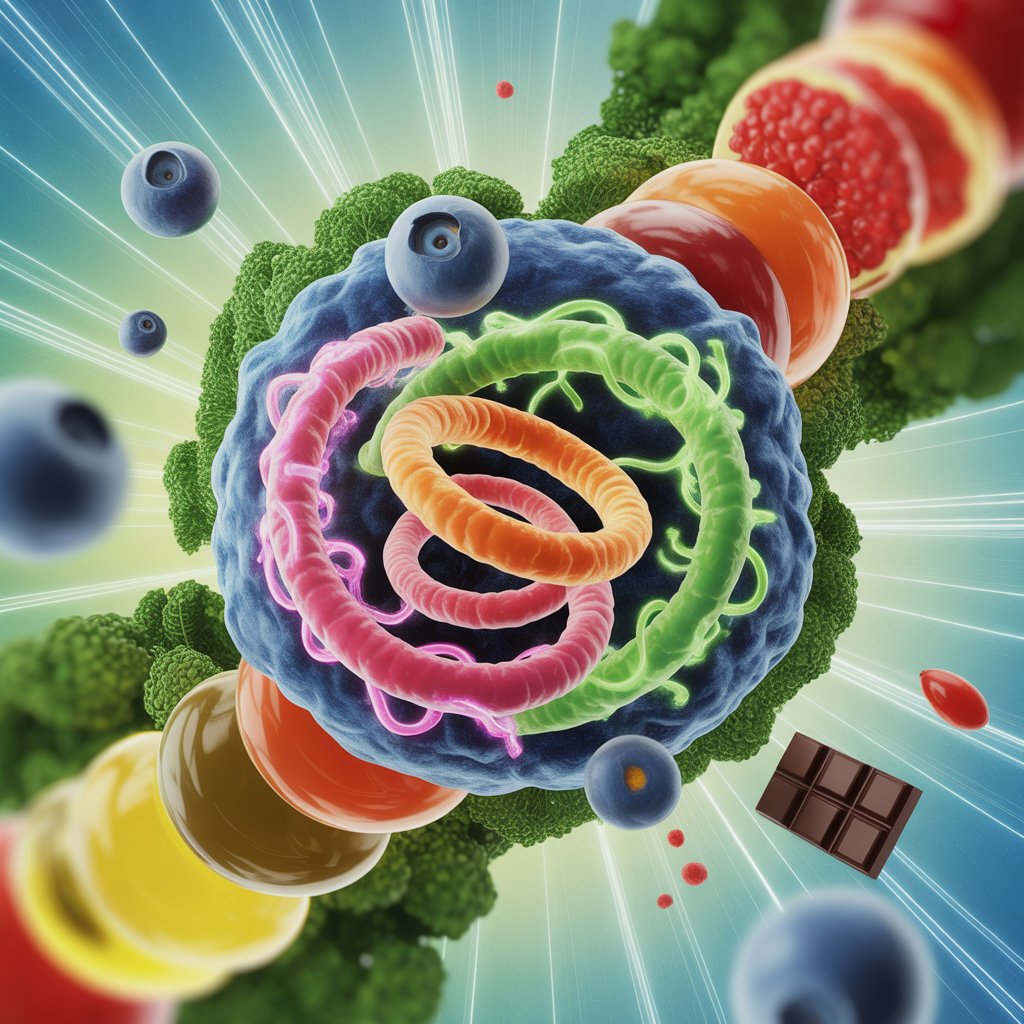
Every bite you take either adds fuel to the inflammatory fire or helps put it out. Anti-inflammatory foods work like tiny firefighters, entering your bloodstream and actively counteracting the inflammatory processes happening in your cells. Anti-Inflammatory Properties of Diet: Role in Healthy Aging – PMC

  • Omega-3 fatty acids work differently. They actually compete with omega-6 fatty acids for the same enzymes in your body. When omega-3s win this competition.
  • Phytonutrients – the compounds that give plants their colors, flavors, and protective properties – have multiple mechanisms of action.

Key Compounds That Make Foods Anti-Inflammatory

The anti-inflammatory power of foods comes from specific compounds that scientists have identified and studied extensively.

  •  Flavonoids, found in berries, tea, and dark chocolate, can reduce inflammatory markers by up to 20% in some studies. Polyphenols in olive oil and red wine have similar effects, though the alcohol in wine can be inflammatory, so moderation is key.
  • The ratio of omega-6 to omega-3 fatty acids in your diet matters more than the absolute amounts. Most Americans consume 15-20 times more omega-6 than omega-3 fatty acids, when the ideal ratio is closer to 4:1.
  • Fiber deserves special mention because it fights inflammation indirectly through your gut microbiome. 

3.The Most Powerful Anti-Inflammatory Foods and Their Benefits
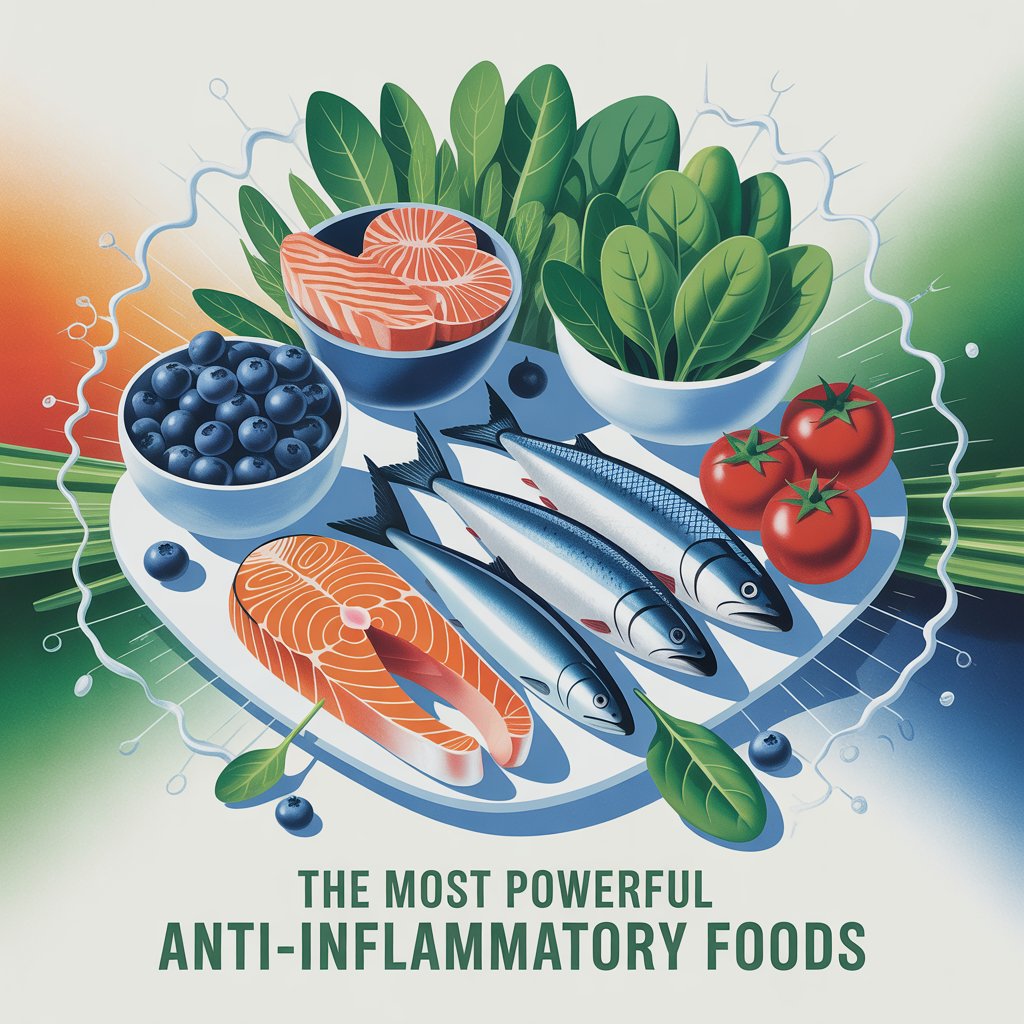
Fatty Fish and Marine Sources

Fatty fish like salmon, mackerel, sardines, and anchovies are perhaps the most potent anti-inflammatory foods you can eat. These fish contain EPA and DHA, two omega-3 fatty acids that your body can’t make on its own but desperately needs to control inflammation.

  • A 3.5-ounce serving of wild salmon provides about 2.3 grams of omega-3s – enough to significantly impact your inflammatory status if eaten regularly.
  • Mercury concerns are valid but often overblown for most people. Smaller fish like sardines and anchovies are lowest in mercury, while larger fish like tuna should be limited. 

Colorful Fruits and Vegetables

The phrase “eat the rainbow” isn’t just a catchy slogan – it’s solid science. Different colored fruits and vegetables contain different anti-inflammatory compounds, and eating a variety ensures you get the full spectrum of benefits.

  • Berries are inflammation-fighting superstars. Blueberries, strawberries, and blackberries are packed with anthocyanins, which can reduce inflammatory markers and improve brain function.
  • Leafy greens like spinach, kale, and arugula provide folate, vitamin K, and various antioxidants that support your body’s anti-inflammatory systems like broccoli, Brussels sprouts, and cauliflower
  • Summer tomatoes have higher lycopene levels than winter greenhouse tomatoes. Fall apples contain more antioxidants than apples that have been in storage for months.

4.Creating Your Anti-Inflammatory Meal Plan
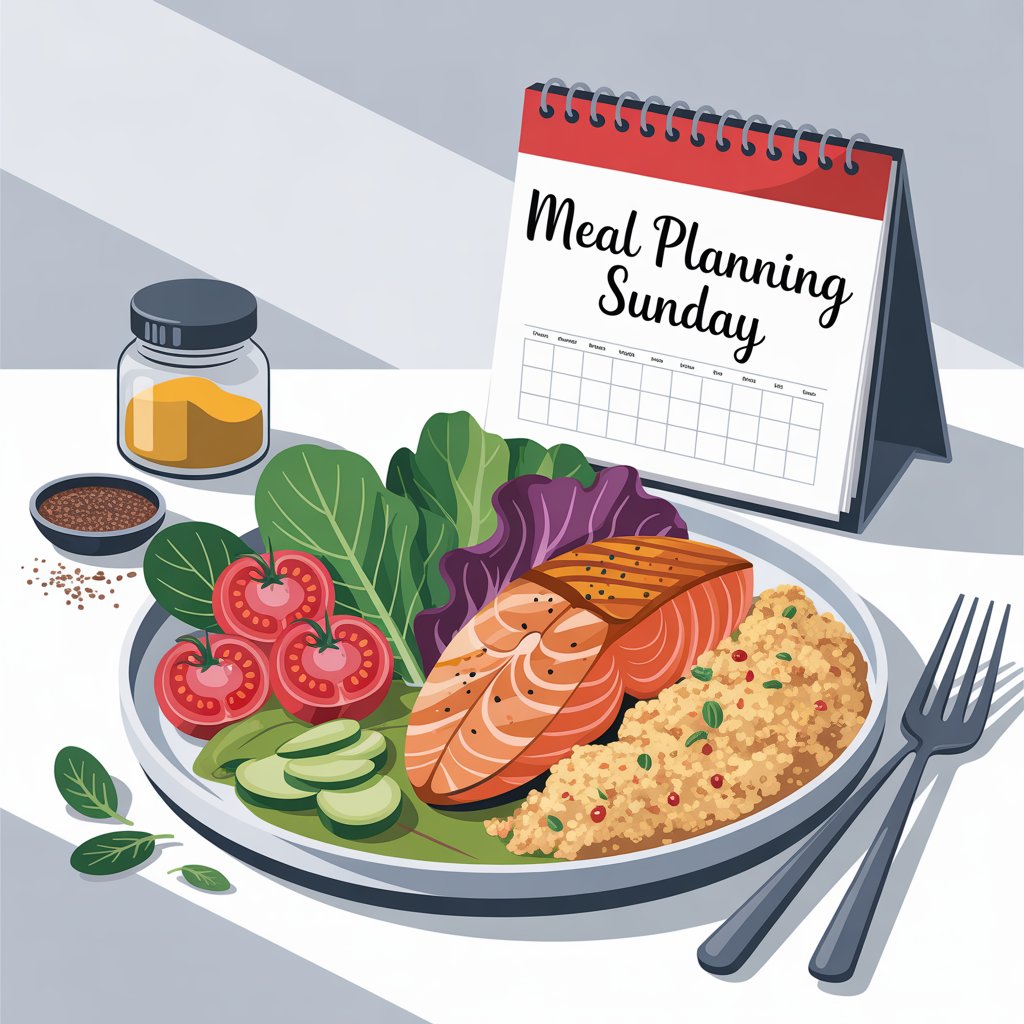
Building Balanced Meals with Anti-Inflammatory Foods

An effective anti-inflammatory meal follows a simple template: half your plate should be colorful vegetables, one quarter lean protein (preferably fish), and one quarter complex carbohydrates like quinoa or sweet potatoes. 30-Day Anti-Inflammatory Diet Meal Plan

  • I’ve found that combining certain foods enhances their anti-inflammatory effects. Turmeric is better absorbed when eaten with black pepper and a healthy fat like olive oil. 
  • The lycopene in tomatoes becomes more available when the tomatoes are cooked and eaten with oil. Iron from leafy greens is better absorbed when paired with vitamin C from citrus or bell peppers.
  • Meal timing can also influence inflammation. Eating large meals late at night can trigger inflammatory responses, while intermittent periods without eating allow your digestive system to rest and repair.

Weekly Menu Planning and Grocery Shopping

Planning your meals in advance is the difference between successfully eating an anti-inflammatory diet and falling back on convenient processed foods when you’re tired and hungry. I spend 20 minutes each Sunday planning my meals for the week and making a grocery list organized by store sections.

  • Budget-friendly anti-inflammatory eating is absolutely possible. Canned salmon and sardines cost a fraction of fresh fish but provide the same omega-3 benefits. 
  • Frozen berries are often more affordable than fresh and are frozen at peak ripeness. Buying seasonal produce and cooking larger batches saves both time and money.
  • Shopping the perimeter of the grocery store naturally guides you toward anti-inflammatory foods – fresh produce, fish, and dairy are typically located around the edges, while processed foods dominate the center aisles

5.Foods That Increase Inflammation and Should Be Limited
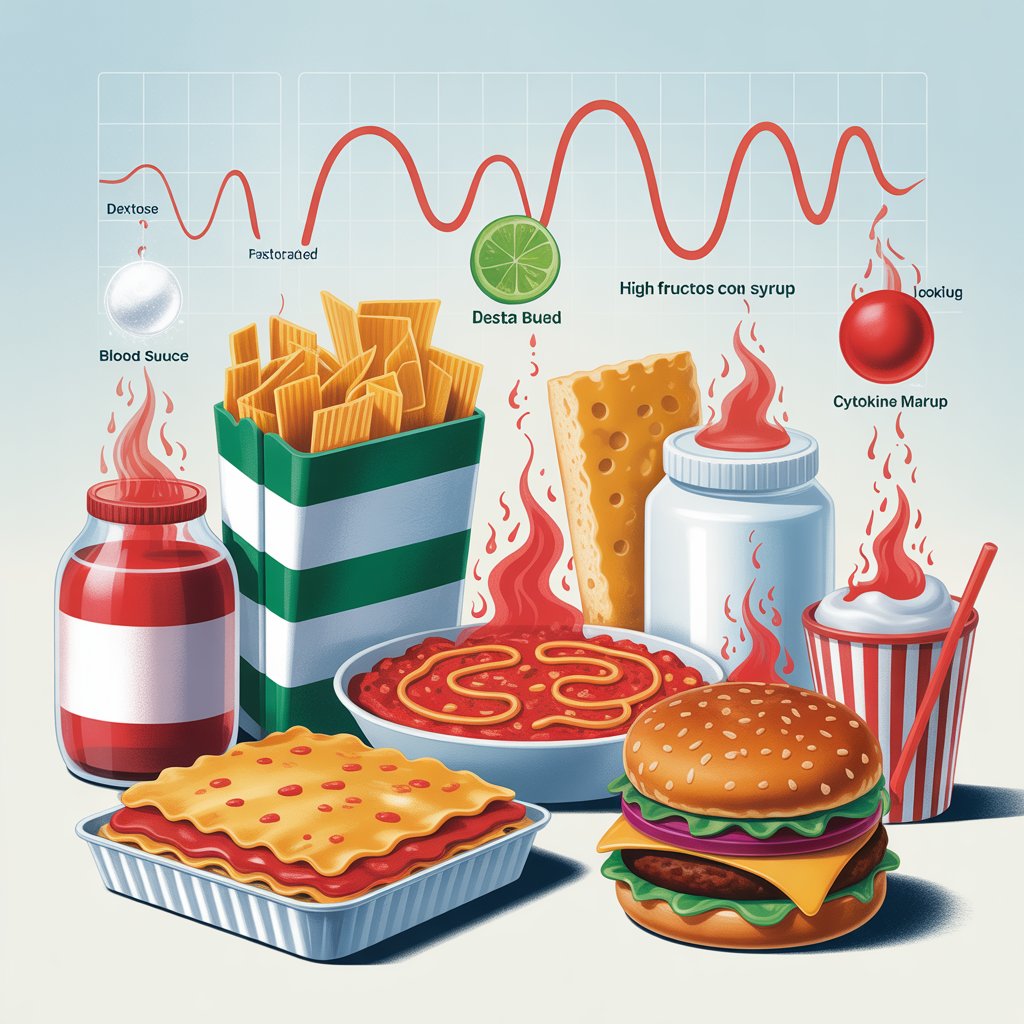
Processed Foods and Their Inflammatory Effects

Think packaged snack foods, frozen dinners, and fast food items that can sit on shelves for months without spoiling. The problem with ultra-processed foods goes beyond just their ingredients.

  •  The processing itself creates inflammatory compounds called advanced glycation end products (AGEs). These compounds accumulate in your tissues over time, triggering ongoing inflammatory responses.
  • Hidden sugars lurk in unexpected places – pasta sauce, salad dressing, bread, and even seemingly healthy foods like flavored yogurt. Food manufacturers use dozens of different names for sugar, making it difficult to identify on ingredient lists.
  •  High fructose corn syrup, dextrose, maltose, and fruit juice concentrates are all forms of added sugar that can trigger inflammatory responses.

Sugar and Refined Carbohydrates

Sugar creates inflammation through multiple pathways. 

  • When you eat sugar, your blood glucose spikes rapidly, triggering the release of inflammatory compounds called cytokines. 
  • Your body interprets these rapid blood sugar swings as a form of stress, activating the same inflammatory pathways that respond to infections or injuries.

curious man thinking how hydration plays a n important factor in the body.

How Proper Hydration Powers Every Function in Your Body

curious man thinking how hydration plays a n important factor in the body.
how important is hydration in your body

Introduction

Water is so basic that we often take it for granted. You turn on a faucet, fill a glass, and drink without much thought. Yet this simple liquid is literally keeping you alive every second of every day. While most people know they should drink more water, few truly understand just how deeply hydration affects every single process happening inside their bodies right now. Narrative Review of Hydration and Selected Health Outcomes in the General Population – PMC

Hydration is essential for maintaining body temperature, boosting brain function, and keeping fluid balance. This article explores how staying hydrated impacts daily life and well-being, providing a roadmap to understanding water’s crucial roles in the human body.

By staying hydrated, you can improve your energy levels, support your skin, enhance digestion, and help your organs function smoothly.

Let’s dive into the details by exploring the science behind water in your body and how it’s distributed, as well as the amazing roles it plays in your daily life.

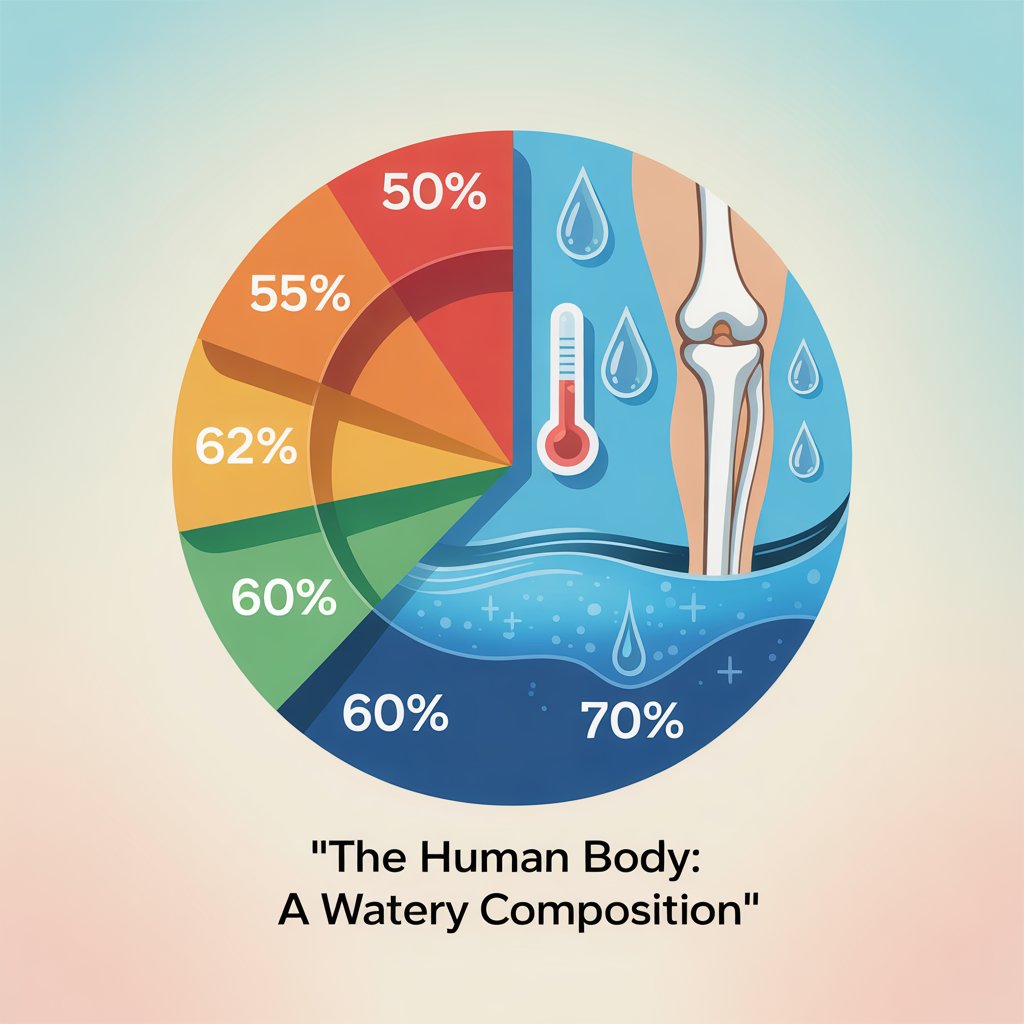
Your body is essentially a sophisticated water balloon. Water makes up between 50-70% of your total body weight, which means a 150-pound person is carrying around 75-105 pounds of pure water. 

Your body’s water percentage changes as you grow older. Babies have about 75% water, which is why their skin is so soft and plump. As people age, this percentage drops, and older adults are usually around 50% water. Men often have more water in their bodies than women because muscle holds more water than fat.

  • Essential Functions of Body Water

When you’re overheating during exercise, water moves heat from your core to your skin through circulation, then carries it away through sweat. This cooling system is so efficient that you can maintain a steady internal temperature even when the outside temperature varies by dozens of degrees.

Your joints depend on water, too. The synovial fluid that keeps your knees, elbows, and other joints moving smoothly is mostly water. Without adequate hydration, this natural lubricant becomes less effective, potentially leading to joint stiffness and discomfort.

Beyond temperature control and lubrication, proper hydration is vital for the functioning of major body systems—starting with your cardiovascular health.

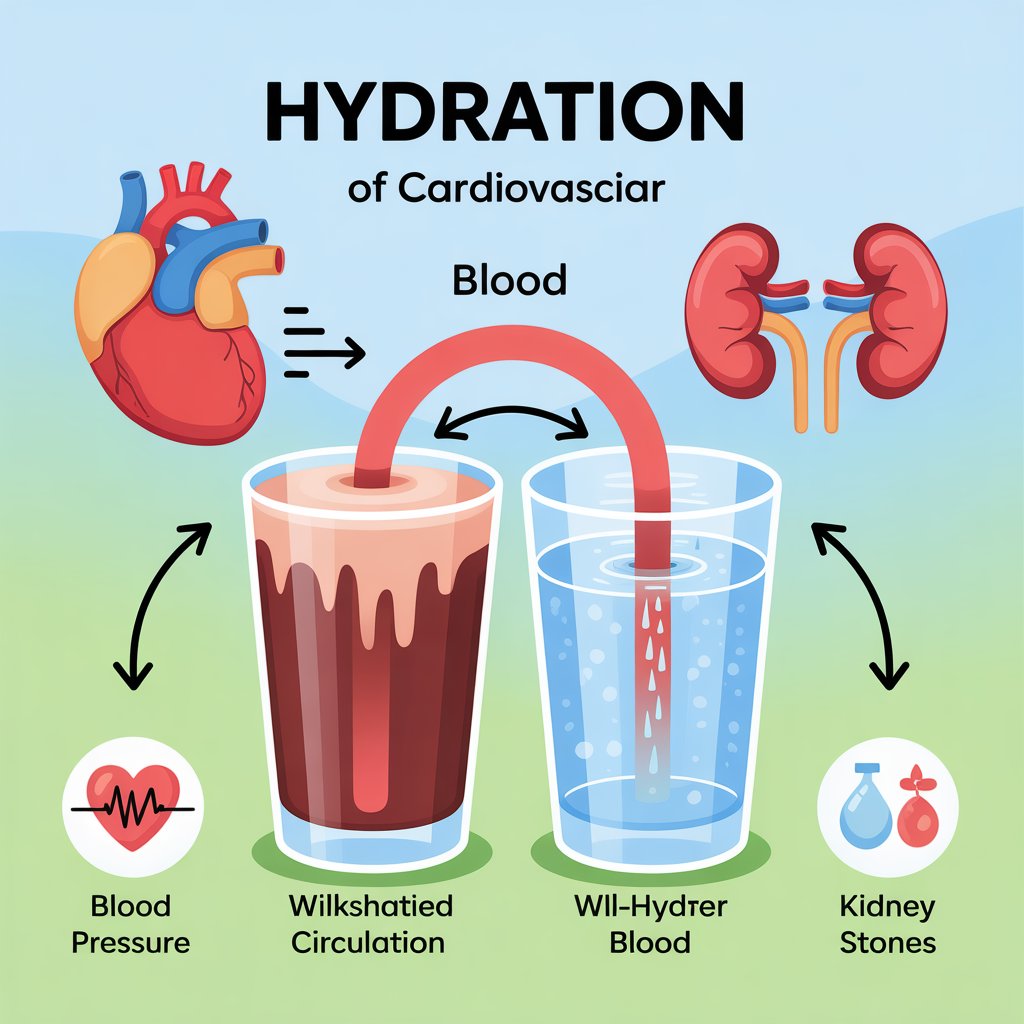
When you are dehydrated, your heart works harder. With less water, your blood volume drops and your blood becomes thicker, making it harder to pump. Imagine trying to drink a milkshake through a straw compared to water; your heart faces a similar challenge moving thick blood through your body.

Proper hydration helps maintain healthy blood pressure by ensuring adequate blood volume. When you’re well-hydrated, your blood flows more easily, reducing the pressure on your artery walls. This improved circulation means oxygen and nutrients reach your organs more efficiently.

Studies have shown that people who stay properly hydrated have lower risks of developing heart disease and experiencing strokes. Even mild dehydration can strain your cardiovascular system over time.

  • Kidney and Urinary Health

Your kidneys filter about 50 gallons of blood daily, removing waste products and excess substances. This filtration system works best when there’s plenty of water to dissolve and flush away toxins through urine.

Concentrated urine from dehydration creates an environment where kidney stones can form more easily. These painful mineral deposits are much less likely to develop when you’re drinking enough water to keep your urine dilute and flowing freely.

Proper hydration also helps prevent urinary tract infections by regularly flushing bacteria out of your urinary system before they can multiply and cause problems.

Water doesn’t just keep your body working; it’s just as important for your mind. Hydration greatly influences your mental performance and cognitive function.

Your brain is about 75% water, making it one of your most water-dependent organs. Brain cells need proper hydration to maintain their shape and function effectively. When you’re dehydrated, these cells can actually shrink slightly, affecting how well they communicate with each other.

Dehydration also impacts neurotransmitter production. These chemical messengers that carry signals between brain cells don’t work as efficiently when water levels drop.

  • Mood and Mental Well-being

When you are dehydrated, you might feel irritable, anxious, or just not yourself. This happens not only because you feel uncomfortable, but also because dehydration changes your brain and stress hormone levels.

Poor hydration can also disrupt sleep quality. When you’re dehydrated, your body has to work harder to maintain basic functions, potentially interfering with the deep, restorative sleep stages your brain needs to process emotions and memories effectively.

Water not only helps internal function but also keeps your skin fresh and hydrated.

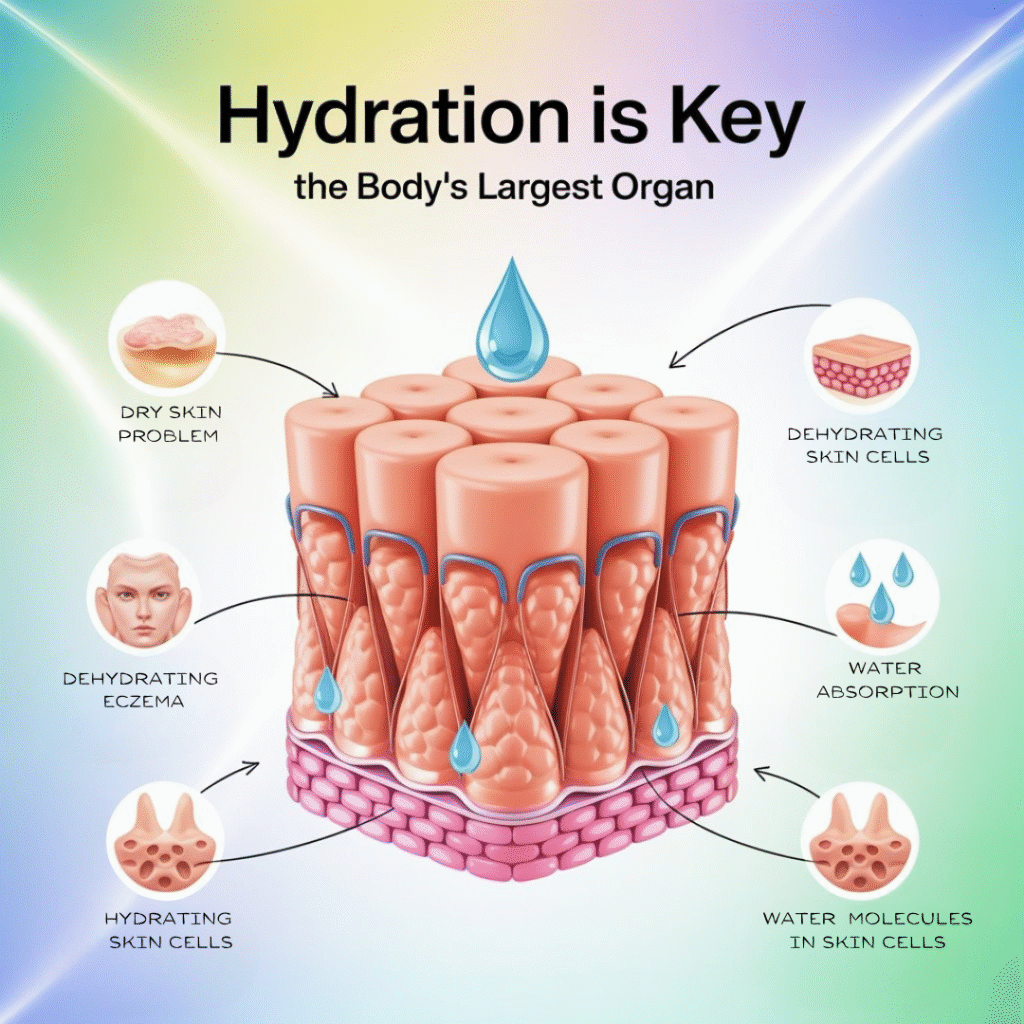
Your skin is your body’s largest organ, and like all organs, it depends heavily on proper hydration. The deeper layers of your skin need water to maintain the structure and function of skin cells, while the outer layer relies on adequate moisture to maintain its protective barrier function.

Well-hydrated skin feels plump and elastic because water helps maintain the spaces between collagen fibers. This structural support is what gives young, healthy skin its smooth, firm appearance.

  • Common Skin Conditions and Hydration

Many common skin problems have hydration components. Dry, flaky skin often improves with better water intake, though topical moisturizers are usually needed too. Some people find that their eczema or dermatitis symptoms become more manageable when they stay well-hydrated.

The relationship between acne and hydration is complex, but dehydrated skin can overproduce oil as it tries to protect itself, potentially contributing to breakouts in some people.

Summary

Water truly powers every function in your body, from the obvious ones like temperature regulation, waste removal, effects on mood, mental sharpness, and skin health. Your cardiovascular system, digestive tract, kidneys, brain, and skin all depend on adequate hydration to function optimally.

The key takeaways for better hydration are simple but powerful: pay attention to your body’s signals beyond just thirst, understand that your needs vary based on activity and environment, and recognize that proper hydration is an investment in both your daily performance and long-term health.

Frequently Asked Questions

Q: How much water should I drink daily?

A: General recommendations suggest 8-10 cups daily, but individual needs vary based on activity level, climate, body size, and overall health status.

Q: Do coffee and tea count toward daily fluid intake?

A: Yes, caffeinated beverages contribute to hydration despite mild diuretic effects, though plain water remains the optimal choice.

Q: Is it better to sip water throughout the day or drink large amounts at once?

A: Consistent sipping throughout the day allows for better absorption and maintains steady hydration levels compared to consuming large volumes at once.

man is surprised to know about the truth that how nutrition labels deceive the mind and how consumer threatens his health without knowing anything.

Decode Your Food: The Guide to Reading Nutrition Labels Like a Professional in 2025

Walking down the grocery stores, I often watch people grab products without a second glance at the nutrition label. I get it – those black and white panels can look intimidating, like reading a foreign language. But here’s the thing: learning to read nutrition labels properly is one of the most powerful skills you can develop for your health.

In 2025, nutrition labels have evolved significantly, and understanding these changes can help you make smarter food choices for yourself and your family. Whether you’re trying to lose weight, manage a health condition, or simply eat better, this guide will teach you to read labels like the professionals do.

1.Understanding the New Nutrition Label Format and Layout

At the top, you’ll always find serving size information, followed by calories per serving. The font sizes aren’t arbitrary either. Critical information like calories must be displayed in fonts that are large enough to read easily.

  • Key Changes to Nutrition Labels in Recent Years

The most obvious change you’ll notice is how serving sizes are now based on what people actually eat, not what manufacturers think we should eat. I remember looking at a bag of chips that claimed to contain 2.5 servings – who eats 2.5 servings of anything? Now, if most people eat the whole bag, that’s exactly what the label reflects.

  • Essential Components Every Label Must Include

Every nutrition label follows strict rules about what must be included and where it goes. The FDA doesn’t mess around with these requirements – there’s a specific hierarchy of information that must appear in a particular order.

2.Mastering Serving Sizes and Portion Control Analysis

Serving sizes might be the most misunderstood aspect of nutrition labels. I can’t count how many times I’ve seen people assume that one package equals one serving.

  • Converting Listed Serving Sizes to Real-World Portions

The math isn’t complicated, but it requires attention. If a label shows nutrients for a 1/2 cup serving but you’re eating 1 cup, you need to double every number on that label. Sounds simple, but in practice, most of us don’t measure our food portions accurately.

  • Identifying When Manufacturers Use Misleading Serving Sizes

Here’s where things get tricky. Even with the new regulations, some manufacturers still find creative ways to make their products look healthier than they really are. The classic example is beverages – a bottle that most people drink in one sitting might be labeled as containing 2.5 servings.

3.Interpreting Calorie Information and Energy Density

calories come from and how they fit into your overall energy needs is crucial for making smart food choices.

  • Understanding Calories from Different Macronutrient Sources

Every calorie on a nutrition label comes from either protein, carbohydrates, or fat. Protein and carbohydrates provide 4 calories per gram, while fat provides 9 calories per gram. This simple math explains why fatty foods are so calorie-dense.

  • Evaluating Calorie Needs Based on Individual Goals

The challenge with calorie information is that it’s presented as if everyone has the same needs. A 120-pound woman trying to lose weight has very different calorie requirements than a 200-pound man trying to build muscle.

4.Decoding Macronutrients and Their Quality Indicators

The macronutrient breakdown on nutrition labels tells you a lot about how a food will affect your body.

  • Evaluating Protein Quality and Completeness

Not all protein is created equal, though nutrition labels don’t always make this clear. The quality of protein depends on its amino acid profile – whether it contains all the essential amino acids your body needs.

  • Fat Content and Fatty Acid Profiles

The fat section of nutrition labels has evolved to give you more useful information about the types of fats in food. You’ll see total fat broken down into saturated fat and trans fat, with some labels also showing unsaturated fat content.

5.Navigating Micronutrients and Daily Value Percentages

The vitamin and mineral information on nutrition labels can be helpful, but it requires some interpretation to be truly useful.

  • Identifying Key Vitamins and Minerals to Monitor

Some nutrients are more commonly deficient in modern diets than others. I pay particular attention to vitamin D, vitamin B12, iron, calcium, and magnesium when reading labels, since these are nutrients that many people don’t get enough of.

  • Balancing Nutrients Across All Daily Food Choices

The real skill in using nutrition labels effectively is thinking about how individual foods fit into your overall daily nutrition picture. One food doesn’t have to be perfect nutritionally if it’s part of a balanced overall diet.

Summary

Reading nutrition labels effectively in 2025 requires understanding both the technical aspects of label formatting and the practical application of nutritional information to daily food choices. How To Read Food Labels (According to a Nutrition Expert) | Institute of Culinary Education The key skills include accurately interpreting serving sizes, evaluating calorie quality rather than just quantity, assessing macronutrient profiles for individual needs, and understanding how daily values apply to personal nutritional requirements.

Frequently Asked Questions

Q: How accurate are the nutrition facts listed on food labels?

A: Food manufacturers must ensure their nutrition labels are within 20% of the actual tested values for most nutrients, with stricter requirements for certain claims. However, natural variations in ingredients and processing can cause some deviation from listed values.

Q: What’s the difference between “no added sugar” and “sugar-free” on labels?

A: “No added sugar” means no sugars were added during processing, but natural sugars may still be present. “Sugar-free” means the product contains less than 0.5 grams of sugar per serving, including both natural and added sugars.

Q: Are organic or natural products required to have the same labeling standards?

A: Yes, all packaged foods sold in the United States must follow the same FDA nutrition labeling requirements regardless of organic, natural, or conventional production methods.

🌿 Embrace Wellness: Small Shifts for a Big Impact

Published on: August 1, 2025 Author: Sourav

🧘‍♀️ Why Micro Wellness Habits Matter

We often chase major transformations, but sustainable growth hides in the micro moments. Tiny habits—like mindful breathing or morning stretches—build resilience without overwhelming us.

“Great things are not done by impulse, but by a series of small things brought together.” — Vincent Van Gogh

📸 Visual Inspiration

Image suggestion: A serene photo of someone meditating outdoors, preferably with soft natural light. You can insert it using the Image block and align it full-width for impact.

💡 Top 5 Wellness Practices You Can Start Today

Use the Table block to make this skimmable for readers:

Wellness HabitDurationBenefitTip
Morning Stretch5 minBoosts flexibilityPair with soothing music
Digital Detox30 minReduces anxietyChoose one tech-free meal
Hydration CheckAll dayImproves energyTrack with a cute bottle
Gratitude Journal10 minEnhances moodUse a guided prompt app
Nature Break15 minRevitalizes focusGo barefoot

✨ A Final Note from Velnesswaves

Wellness isn’t a destination—it’s a gentle rhythm you create each day. At Velnesswaves, we believe your growth story is already unfolding, one empowered choice at a time.

Let’s rise together—because your future deserves your full presence.